




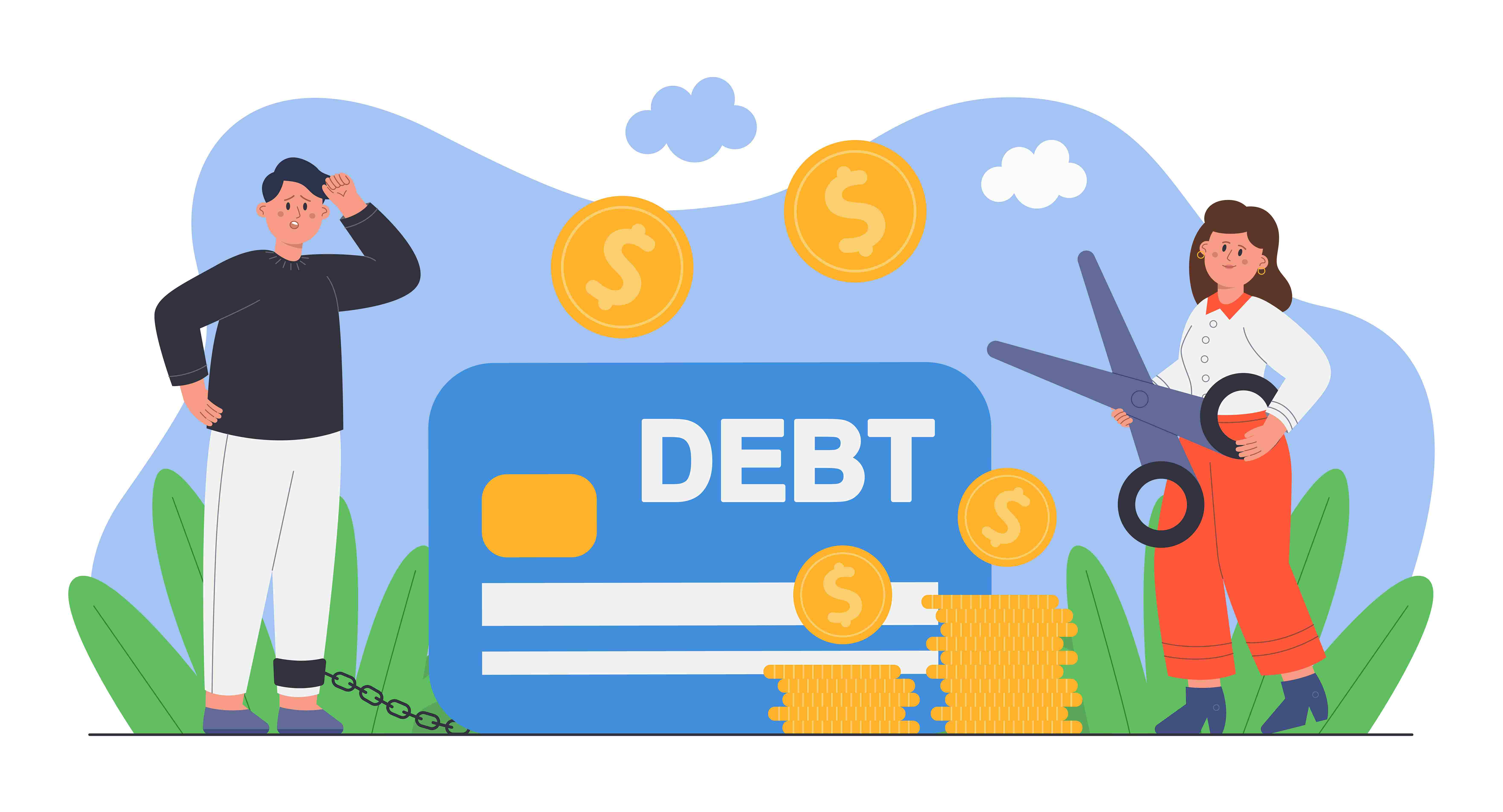
Many business owners take a Merchant Cash Advance when they feel stuck. Cash flow is tight. Vendors are calling. Payroll is close. The bank has already said no. An MCA feels fast and simple. The money comes in quickly. There is no long approval cycle. No heavy paperwork. It feels like relief. But relief is not the same as recovery. At First Choice Debt Solutions, we speak to business owners every day who say the same thing. The MCA helped for a few weeks. Then it slowly started hurting the business in ways they did not expect. The real cost of an MCA is not just the high factor rate. It is the long term damage it can cause to your company’s financial health.
The Illusion of Easy Capital
An MCA is not a traditional loan. It is an advance against your future sales. The lender takes a fixed percentage of your daily card revenue. On paper, this sounds flexible. If sales drop, the payment drops too. In reality, the structure creates pressure. The factor rates are often high. You may borrow 100,000 dollars and end up paying back 130,000 or more. The repayment starts almost immediately. Money is deducted daily or weekly. There is no grace period to breathe. At first, the advance feels like oxygen. But soon, it starts taking away your working capital. Instead of using revenue to grow, you use it to repay expensive debt.
Cash Flow Gets Trapped
Cash flow is the heartbeat of a business. When daily deductions begin, your available cash shrinks. You may still show strong sales on paper. But your bank balance tells a different story. Owners then start cutting corners. They delay vendor payments. They reduce marketing spend. They postpone maintenance. They skip hiring. Some even delay taxes. All of this affects long term stability. The business enters survival mode. Growth plans stop. Strategic decisions become reactive. You stop thinking about the next five years. You focus only on the next five days. Over time, this weakens the foundation of the company.
The Debt Cycle Begins
One of the biggest hidden risks of MCAs is stacking. When the first advance becomes hard to manage, many owners take a second one. The idea is simple. Use the new money to clear the old balance and get extra cash. But this rarely solves the problem. It increases the total repayment amount. Now, multiple lenders are taking daily cuts from your revenue. The pressure multiplies. We have seen businesses with three or four stacked MCAs. At that point, most of the daily revenue goes toward repayments. There is barely anything left to operate the business properly. This is when panic sets in. Owners feel trapped. They feel ashamed. They avoid calls. Stress builds. The business suffers not just financially, but emotionally too.
Profitability Gets Distorted
Many business owners look at revenue and feel confident. Sales are strong. Customers are coming. But after MCA deductions, the real profit margin shrinks. High repayment costs eat into net income. You may appear profitable, but your retained earnings are weak. Investors and lenders notice this. If you ever plan to raise capital or sell the business, these obligations will show up in due diligence. An MCA can lower your ability to qualify for traditional bank financing. Banks look at cash flow consistency and debt burden. Heavy MCA repayments make your risk profile look high. So the very tool you used to solve a short term problem can block better funding options later.
Operational Stress Increases
Daily deductions create mental pressure. Every slow sales day feels dangerous. Seasonal businesses suffer more. A retail store after the holiday season. A construction firm during monsoon months. A restaurant in a slow quarter. When revenue drops but expenses remain fixed, the MCA repayment still continues. Owners start making rushed decisions. They may accept low margin deals just to bring in cash. They may reduce quality to cut costs. They may overwork staff. Over time, this hurts brand value. Customer experience drops. Employee morale falls. The long term reputation of the business gets damaged.
The True Cost Beyond Numbers
The hidden cost of MCAs is also personal. Business owners lose sleep. Relationships get strained. Confidence drops. Instead of leading with clarity, they operate from fear. When fear drives decisions, mistakes increase. You may miss real opportunities because you are focused only on surviving the next deduction. You may stop investing in innovation. Competitors move ahead while you remain stuck in repayment mode. Long term business health depends on stability, planning, and smart capital use. MCAs often remove all three.
A Smarter Way to Recover
This does not mean every MCA is evil. In rare cases, when used carefully and repaid quickly, it can serve as a short term bridge. But it should never become a habit or a growth strategy. If you are already burdened with MCAs, the first step is clarity. Understand the total repayment amount. Review your daily deductions. Calculate how much of your revenue is being consumed. At First Choice Debt Solutions, we help businesses restructure and negotiate these obligations. The goal is not just to reduce payments. The goal is to restore cash flow stability. When daily pressure reduces, you can think clearly again. You can plan again. Long term business health requires breathing room. It requires predictable cash flow. It requires strategic thinking. Expensive short term capital often takes these away. Before signing the next MCA agreement, pause. Ask yourself if this solves the root problem or just covers it for a few weeks. Short term relief should not cost you long term growth. Your business deserves stability, not a cycle of survival.